
Product definition
Turned the broad problem into users, workflows, priorities, screens, trust requirements, and a focused first release.
Scope and product routePinglo brings reports, sightings, claim checks, messages, safer returns, and private community feeds into one synced service. A4T Studio shaped the product, identity, delivery, launch, and continued operation.

When an item is lost or found, information is spread across venues, social posts, messages, and informal handovers. People may not know where to report it, how to identify a genuine match, or how to arrange a safe return.
Pinglo was created to organise those steps across a phone or browser, while giving campuses, venues, and workplaces their own private feed.
Pinglo is an A4T Studio venture. The work therefore continued beyond a prototype or design file into the practical needs of a public service.
Turned the broad problem into users, workflows, priorities, screens, trust requirements, and a focused first release.
Scope and product routeDesigned reporting, discovery, sightings, claims, messaging, profiles, community feeds, and safety journeys around clear everyday actions.
Working interaction systemManaged the iPhone and browser builds, shared backend, live synchronisation, testing, release preparation, fixes, and product changes.
Live iOS and web productCreated the visual identity, App Store presentation, product website, partnership route, support information, and trust pages.
Recognisable public presencePrepared the App Store listing, product materials, policies, support routes, and release checks.
Public App Store releaseContinues to review the live product, plan improvements, support users, and manage future releases.
Active product operationThese genuine product screens show the nearby feed, guided reporting, private claim checks, and messages. The same account now works through the browser app.
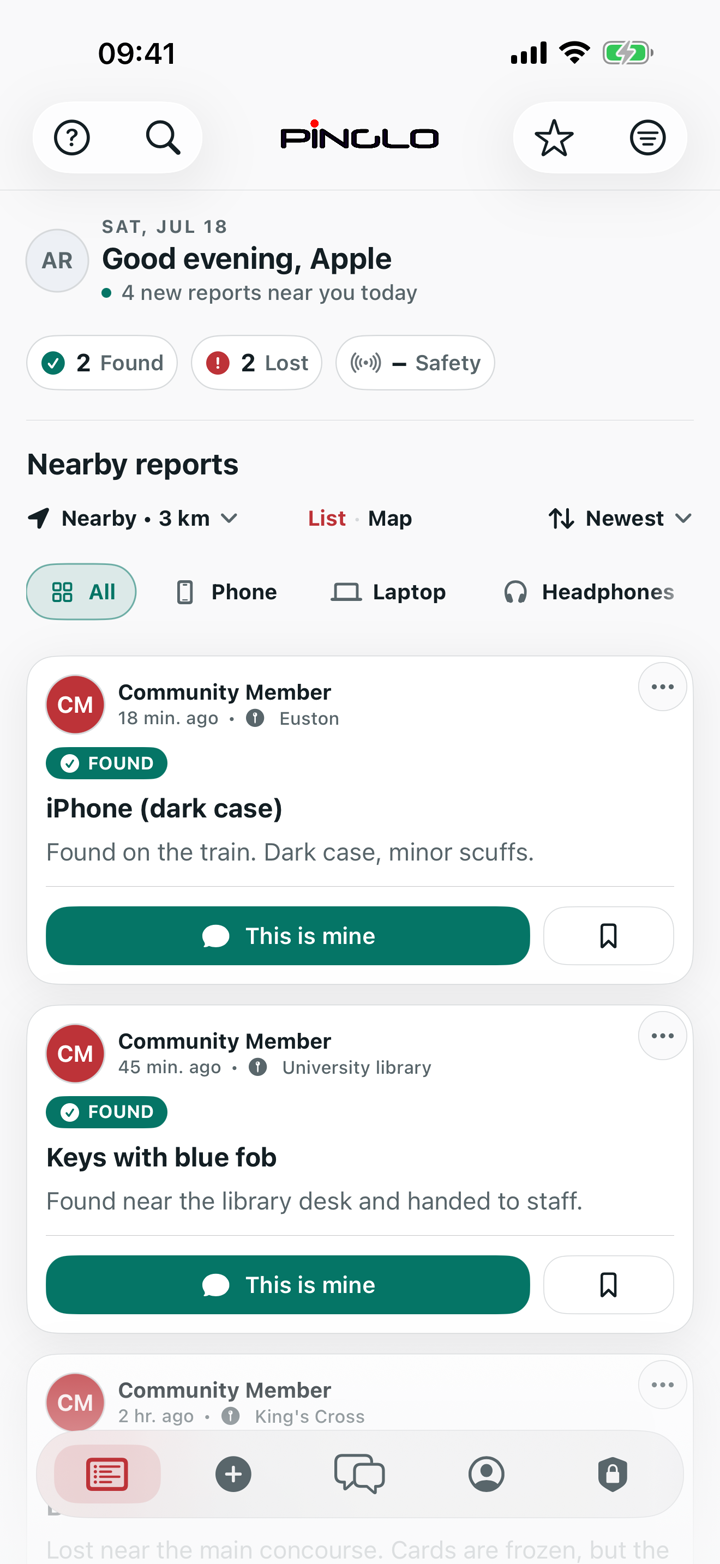
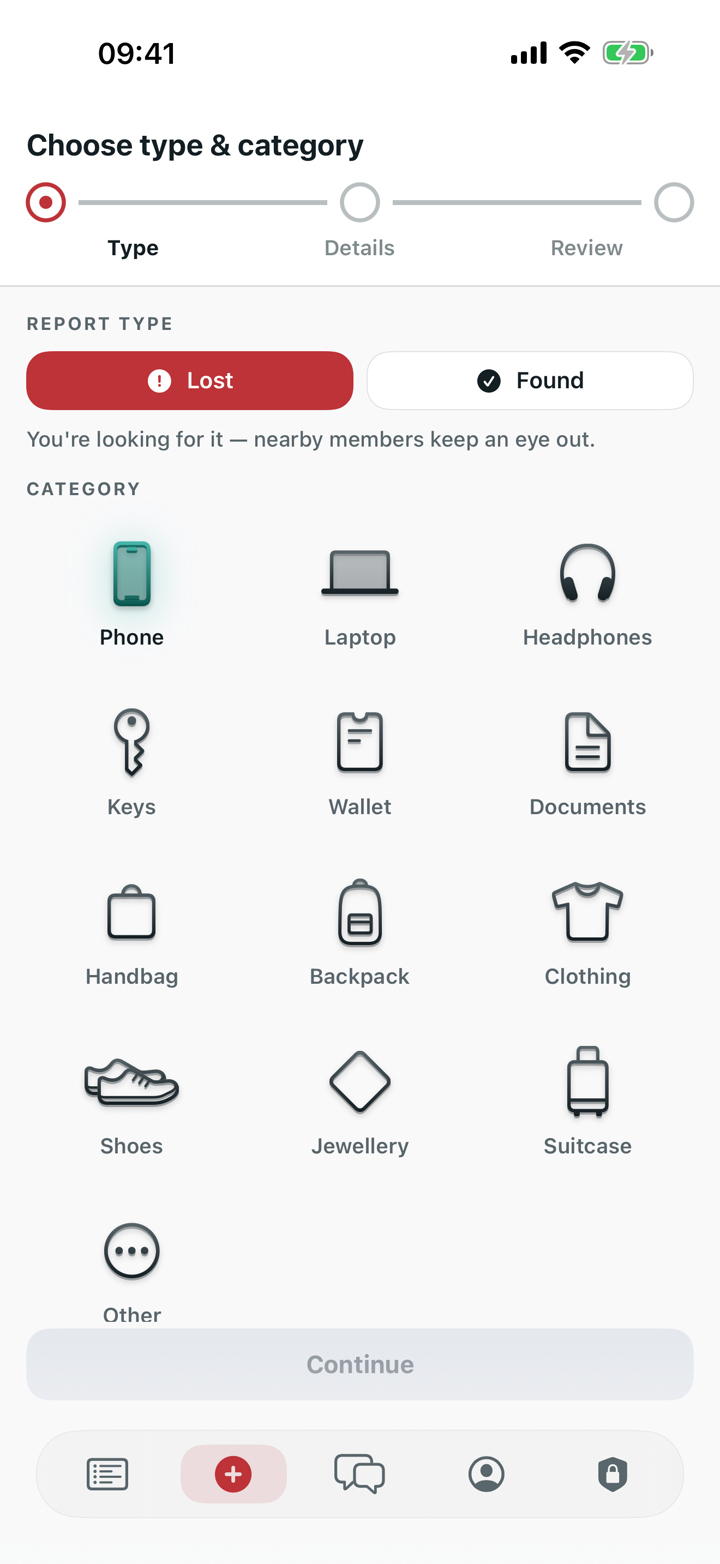
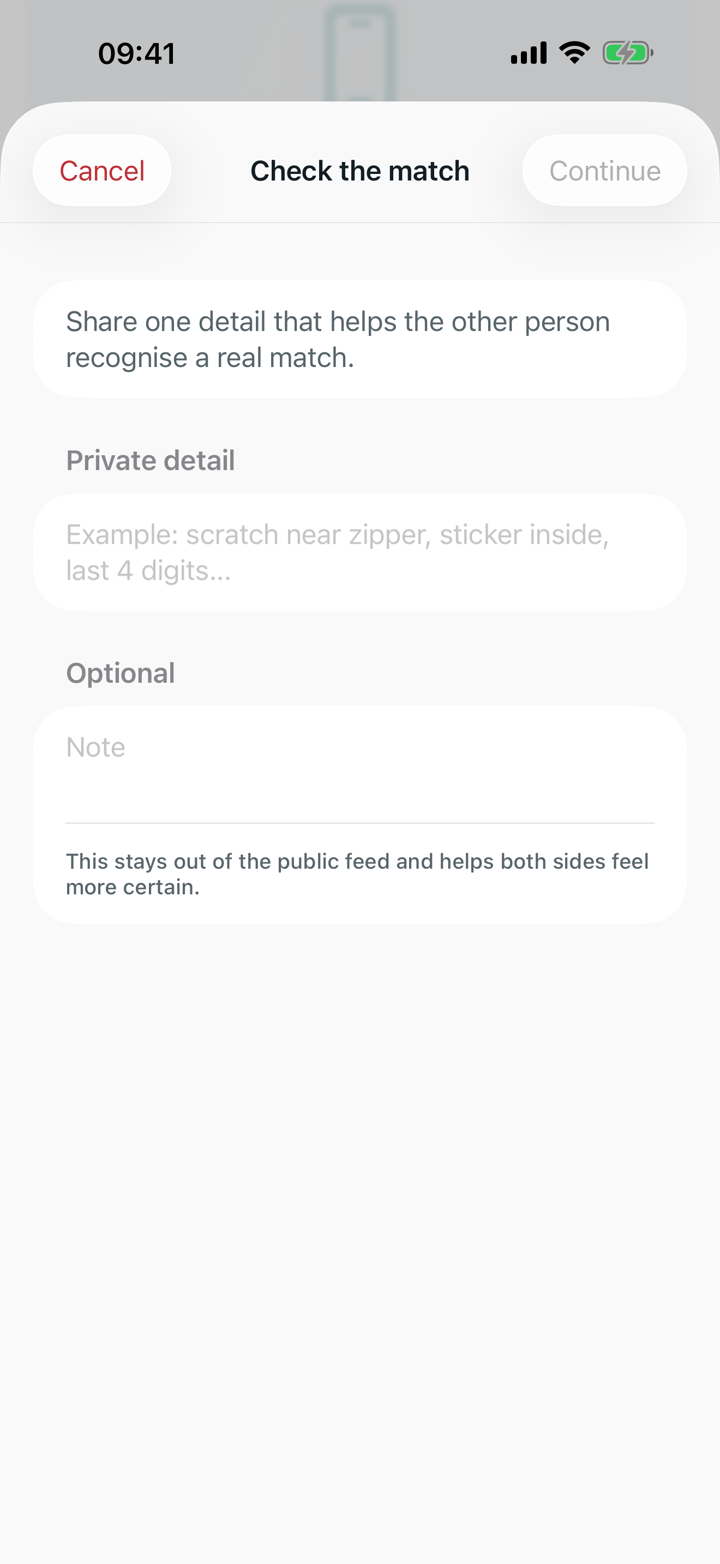
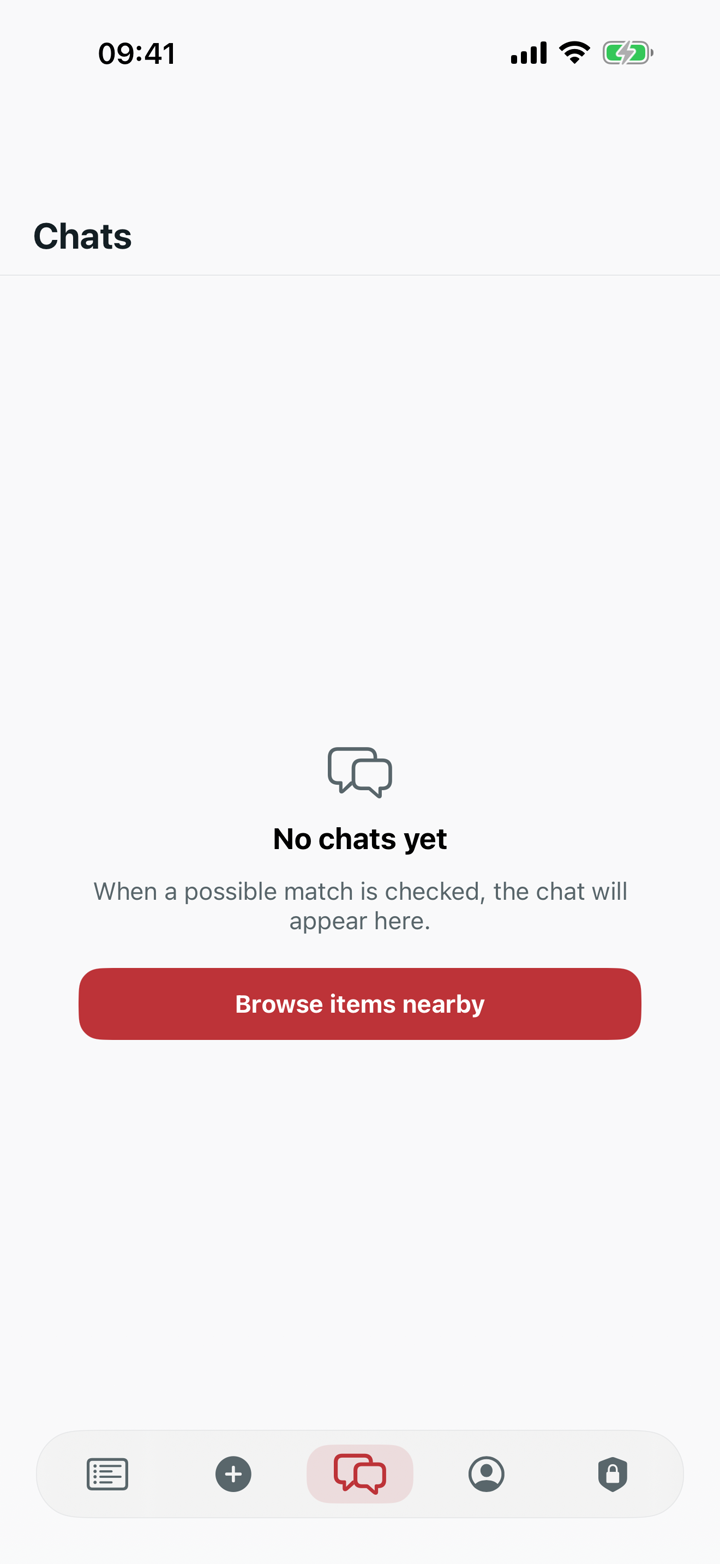
The process moved from defining the service to designing core journeys, building and testing the product, preparing launch, and supporting the live release.
Clarify the users, problem, trust needs, and smallest useful product.
Product briefMap the key flows and turn them into an interface that can be built and tested.
UX and UIDevelop the shared service across iPhone and web, review real behaviour, fix issues, and prepare public releases.
Release candidatesPublish the product, support the service, and ship changes around live user and partner needs.
Monthly product releasesPinglo is live on iPhone and in the browser. People can browse the feed, post reports, send sightings, verify claims, message privately, and join place-based communities with the same synced account.
Hotels, universities, stations, venues, gyms, and managed buildings can also use Pinglo as one front door for lost property, hand-in guidance, safety alerts, and safer returns.
Tell us about a customer need, work problem, repeated task, or new product idea. You do not need a technical brief for the first conversation.