
Discovery & prototype
Test the idea and plan the smallest useful first version before a large build.
Best when the idea is earlyBring us an early idea, an existing product, or a problem an app could solve. We can produce the requirements, prototype, interface, working build, test plan, launch materials, and support plan the product needs.
The users, repeated tasks, required features, and existing systems determine the team, schedule, and budget.
Test the idea and plan the smallest useful first version before a large build.
Best when the idea is earlyAn iOS, Android, or cross-platform app designed around phone behaviour, device capabilities, and store release.
Native or cross-platformA customer portal, marketplace, dashboard, booking system, or other service used in a browser.
Public or account-basedA tool for team tasks, reporting, approvals, or information that is spread across several places.
Built around real workConnect existing services and reduce repeated manual steps without replacing everything.
Works with your current toolsA live app that needs regular updates, maintenance, support, and improvement.
Managed over timeNumber of screens, user types, tasks, and special cases.
Accounts, payments, messaging, location, AI, connections, and data.
Research, design, testing, moving data, publishing, and support.
How quickly the work is needed and how fast decisions can be made.
The right app is shaped around its users, daily work, existing systems, and budget. These examples show possible first versions, not fixed feature lists.
Bookings, registration, loyalty points, offers, check-in information, hotel requests, restaurant or spa reservations, and a digital key where the property system supports it.
See the hotel project example →Customer accounts, points, order ahead, click and collect, favourites, payments, personalised offers, and clear order updates.
See the café project example →Memberships, class booking, waitlists, passes, payments, reminders, trainer updates, and simple account management.
See the fitness project example →Issue reporting, photos, appointment updates, documents, notices, contractor assignments, progress tracking, and a record of completed work.
Registration, programmes, tickets, member access, schedules, venue information, notifications, offers, and post-event content.
Staff tasks, approvals, checklists, stock or asset records, field updates, reports, and connections to the systems the team already uses.
Booking engines, payments, property systems, customer databases, digital keys, and other third-party tools are reviewed before they are included in the scope.
The first proposal recommends the smallest useful stage. Each stage has its own deliverables, schedule, responsibilities, and price before work begins.
Clarify the problem, users, workflows, constraints, and the smallest useful release before committing to a build.
Make the main journeys visible and testable before engineering decisions become expensive.
We choose and manage the people needed to build, test, prepare, and release the agreed product.
Plan fixes, platform updates, user feedback, and new releases after the initial handover.
Price depends on the stage, type of app, features, platforms, integrations, team, testing, and deadline. The written scope and quote come before paid work. Any material change to time or cost must be approved first.
The written scope lists the accounts, licences, source code, design files, documentation, store access, and support responsibilities included. The agreed work is handed over after the relevant invoices are paid.
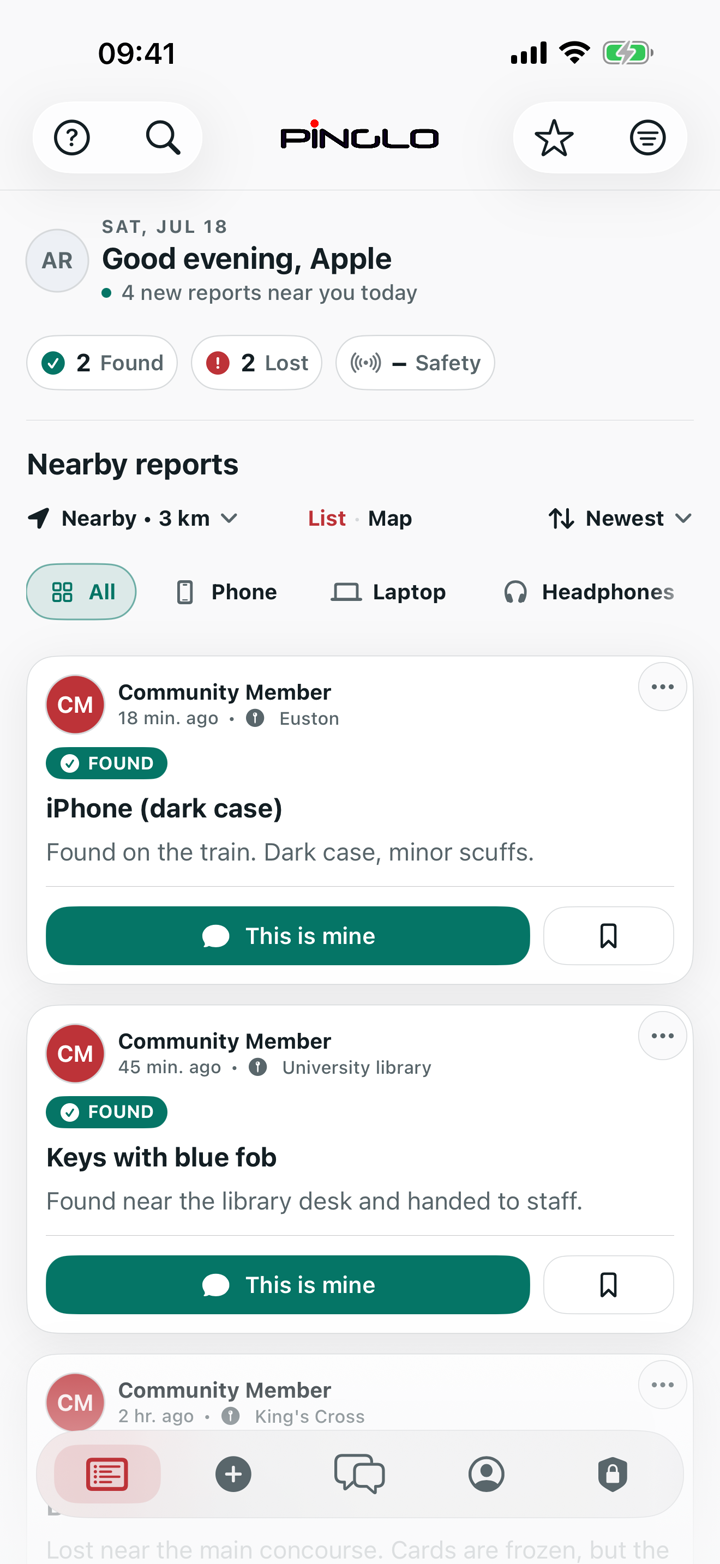
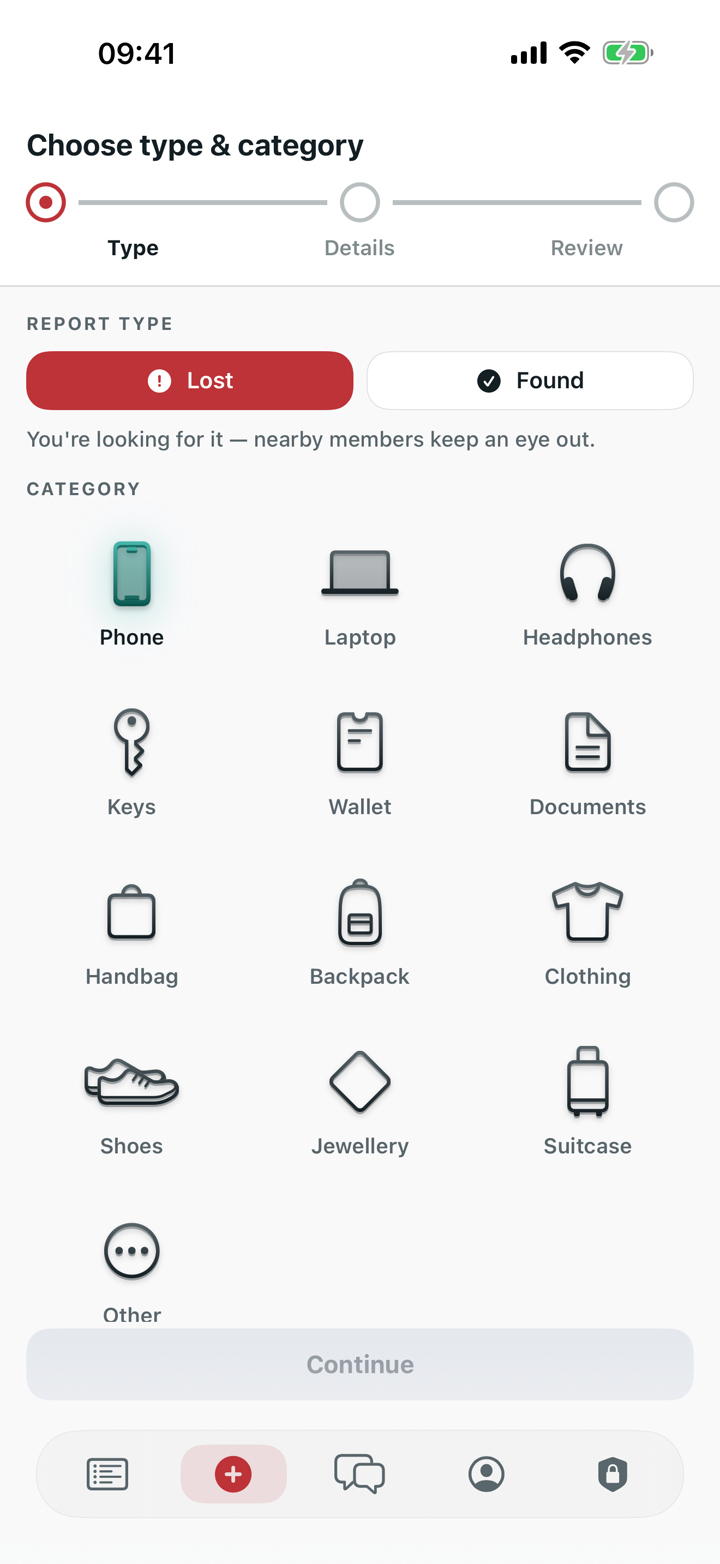
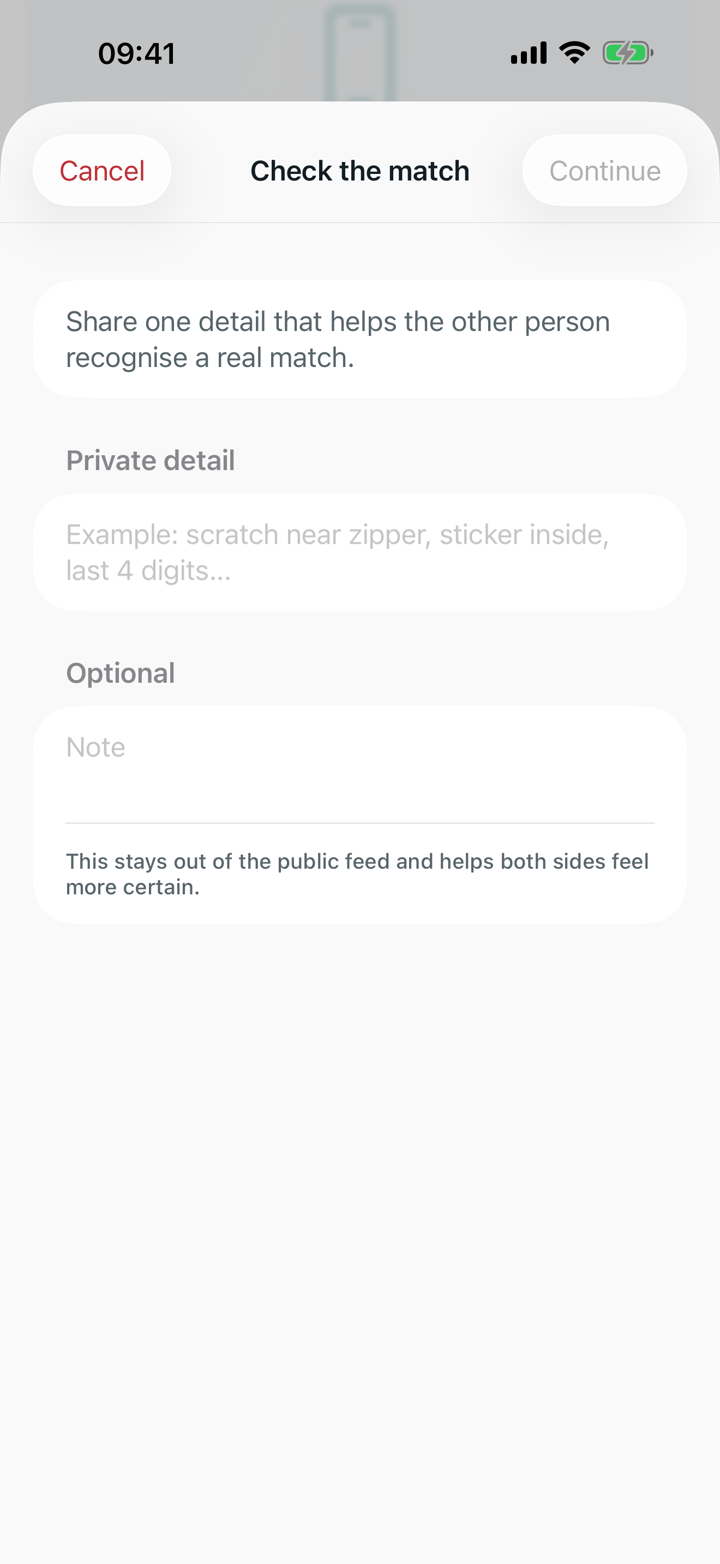
Pinglo began as one everyday problem and is now a synced product across the App Store and browser. Your app can serve a completely different customer, organisation, or workflow.
No. We work on consumer products, company workflows, customer services, internal tools, operational systems, and other focused app ideas.
Yes. A rough idea, repeated task, or problem that should be easier is enough for the first conversation.
The quote follows the product stage, platforms, workflows, integrations, professional roles, testing, launch work, and support required. Scope, schedule, and price are agreed before paid work begins.
Time depends on the product stage, platforms, features, integrations, testing, review speed, and launch requirements. The proposed schedule is included with the written scope.
The scope lists the app build, source code, design files, documentation, accounts, store access, and support included. Handover happens after the agreed delivery and relevant invoices are complete.
Yes. Support can cover fixes, platform updates, user feedback, new features, release preparation, and ongoing product planning through a separate support stage or partnership.
You do not need a technical document. Tell us the problem, who has it, and what you want the app to make easier.